
The Founder Files with Stefanie Mitrevski: Building A Brand That Exists Beyond The Name
Welcome to The Founder Files, an inside look at the women building the next generation of category-defining companies. These conversations capture founders in moments of becoming. No polished retrospective or glossy highlights reel. This is where we catch ambitious women in motion: when the decisions are still hard, the outcomes still uncertain, and the lessons are still fresh enough to actually be useful.
Stefanie Mitrevski knows what it’s like to cancel plans, miss workouts, and lose entire weekends due to hormone-driven exhaustion.
As a clinical pharmacist, she knew there had to be a better way for women to navigate PMS, mood changes, cramps, and cycle regularity (without defaulting to heat packs, ibuprofen, and hoping next month is different).
Her solution is Rhya In Mind, a daily supplement brand built for the modern woman. The goal is to support you throughout the entire month, allowing you to do it all without making wellness your entire personality. Each capsule offers science-backed, hormone-aware support designed for consistency, not just emergencies.
In this conversation, Stefanie gets into the trademark issue that forced her to rebuild her brand from the ground up, how she moved from pharmacist to founder without ever fully switching off the scientist in her, and why she thinks perfectionism is the thing most likely to stop founders from ever getting started.
Q. Tell us about Rhya In Mind in your own words. What are you building, and why does it need to exist?
“Rhya In Mind is a women's supplement brand built around one idea: consistent, daily hormonal support that fits seamlessly into your already busy life.
Our first product is PMS Cycle Support, a TGA-listed daily capsule formulated to support hormone balance, mood, cycle regularity, and menstrual comfort, all month long.
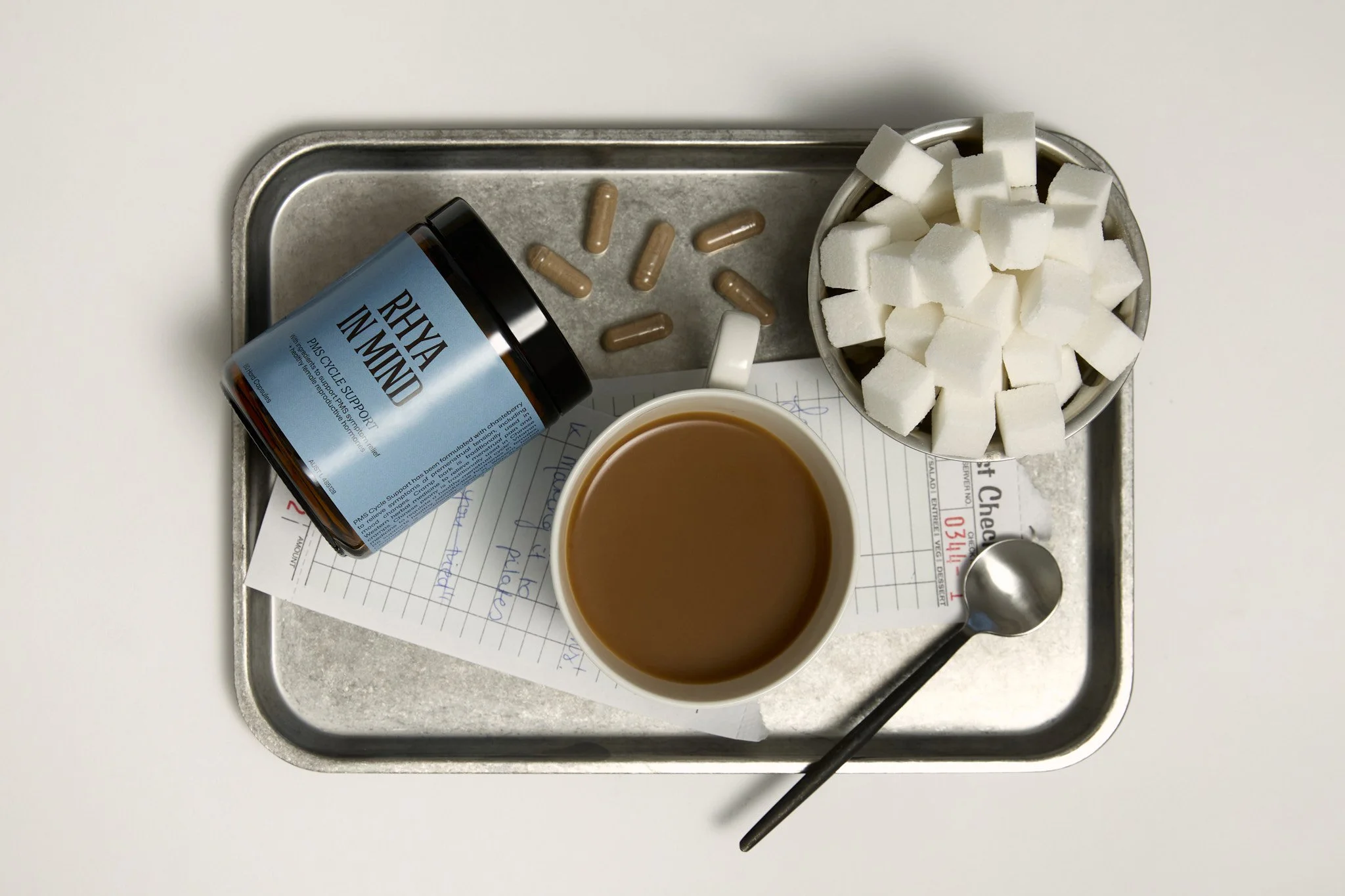
The reason it needs to exist is pretty simple. Most women are still managing PMS reactively: heat packs, ibuprofen, cancelling plans, and hoping next month is different. That's just accepted as normal, and it doesn't have to be.
“As a pharmacist, I knew there was a better way to approach this with intelligent, evidence-backed formulation taken consistently, so women can stop reorganising their lives around their cycle.” — Stefanie Mitrevski
Q. What does building this business actually look like right now? What's consuming most of your energy this week?
“Honestly, a bit of everything! Which is both the exciting and humbling part of being a founder.
This week it's been a mix of paid ads, content, and making sure the relaunch is landing the way it should. We've just come through a full rebrand, so there's a lot of momentum to build quickly. Most of my energy is going into making sure the brand shows up consistently and that the people who need this product actually find it.”
“There's a lot of noise in the wellness space, and the work right now is cutting through it without becoming part of it.” — Stefanie Mitrevski
Q. What's the hardest call you've had to make so far, and would you make the same decision again?
“Launching. I spent nearly two years on formulation, working through the evidence, getting the doses right, navigating TGA compliance and at some point you have to stop refining and start.
There's a version of perfectionism that protects you from risk, but it also protects you from ever actually getting ahead! Launching with a product I was proud of but before I had everything figured out was the hardest call. You definitely learn more in the first month being live than the two years preparing.”
Q. What's the one thing you wish someone had handed you at the start that you've had to figure out the hard way?
“That building the product is the easy part, or at least, it's the part I knew how to do. The hard part is getting anyone to care about it.
Marketing, positioning, how you talk about what you do without sounding like every other supplement brand on the internet! That took me a long time to figure out, and I'm still figuring it out. You have to be able to communicate it in a way that actually resonates with the person you're trying to help.”
Q. You recently had to rebrand the business entirely due to a trademark issue. Most founders would find that crushing. How did you navigate it, and did it change anything about how you see the brand you're building?
“It was a lot. We'd built real momentum under the original name, and suddenly we were starting from scratch on something that took months to develop in the first place. The honest answer is that the first few weeks were devastating, you grieve it a little, and then you realise you have no choice but to get on with it.
“What helped was realising that the brand isn't really the name. It's the positioning, the product, the way we talk to our customers, and the reason we exist.” — Stefanie Mitrevski
Rhya In Mind is actually a stronger identity than what we had before, and I don't think I would have pushed as hard for that if we hadn't been forced to start over. Sometimes the forced reset is the right one! Everything happens for a reason.”
Q. You spent two years formulating the product before launch. As a pharmacist, how do you switch between thinking like a scientist and thinking like a founder, and which one is harder?
“There's less separation than people might expect, or at least there has been for me. My pharmacist brain asks: is there evidence for this and is the dose effective? Is this safe, is it listed, does it actually do what we're claiming? My founder brain asks: does this resonate? Does it make sense to someone who isn't a clinician? Do people actually want to take this every day?
The harder one is the founder thinking, without question. Science has rules and frameworks. Business is messier and a lot more subjective!”
Q. PMS affects the vast majority of people who menstruate, but it's still treated like a niche topic. What's the conversation you most wish more people were having about it?
“That it's not just mood swings. PMS affects how women show up at work, in relationships, in their own heads, and the cultural response has largely been to either dismiss it or over-dramatise it. Neither is useful.
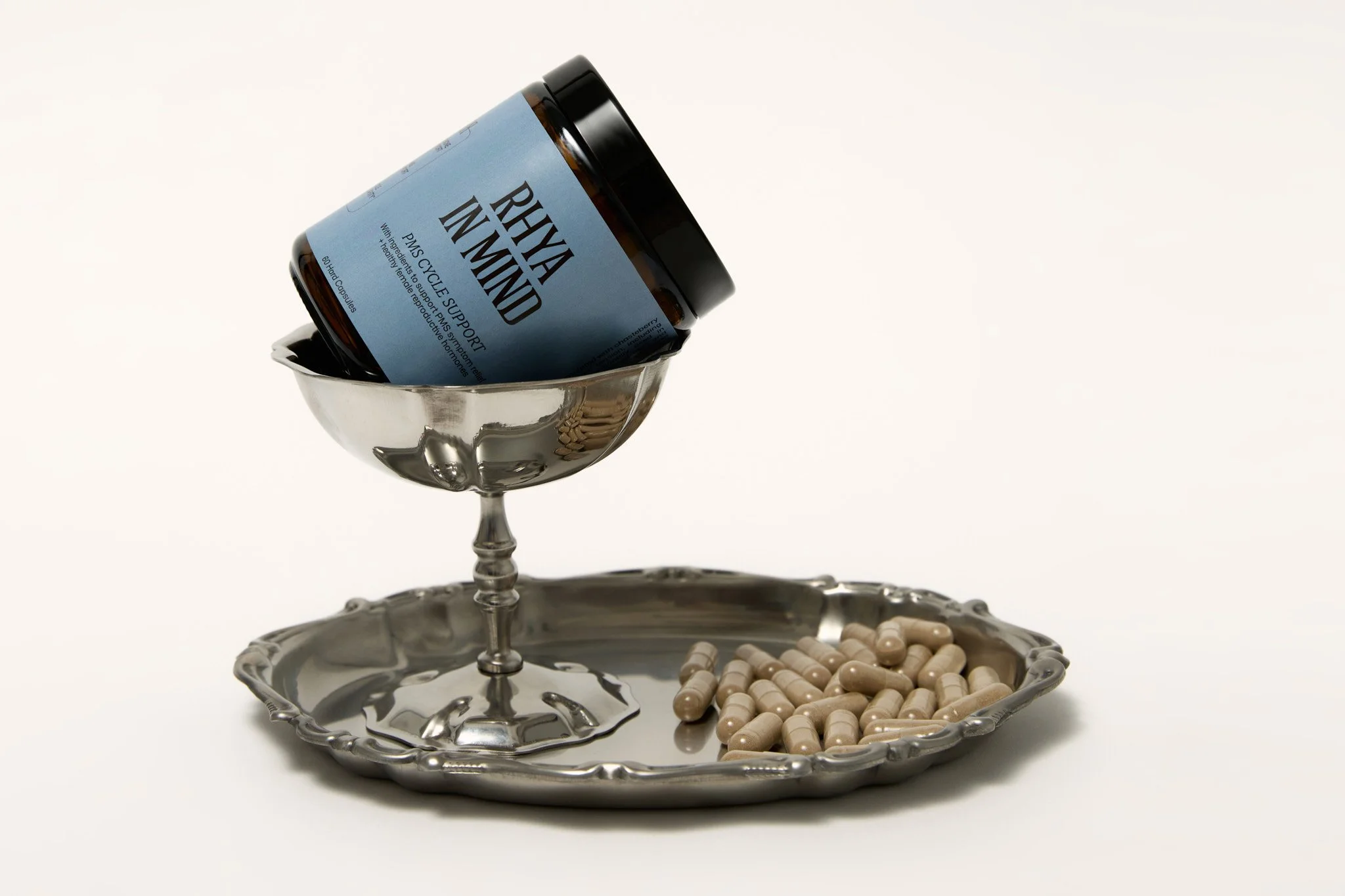
What I wish more people were talking about is the cumulative cost of it. The plans cancelled, the week each month written off, and the energy spent managing symptoms instead of just living. That's not inevitable, and it's not something women just have to push through.”
“There are real, evidence-backed ways to support your cycle proactively, and more women should know that's an option.” — Stefanie Mitrevski
Want to follow Rhya In Mind’s journey?
Looking for support that goes beyond your period? Shop Rhya In Mind’s first product (PMS Cycle Support) or dive into the brand’s blog, In Her Mind.
Stay up-to-date with Stefanie’s journey as a founder by following her on LinkedIn and TikTok. Plus, add a dose of overachieving wellness to your feed by following Rhya In Mind on Instagram.